Who even needs elitist art? Here’s a better idea
11.05.2026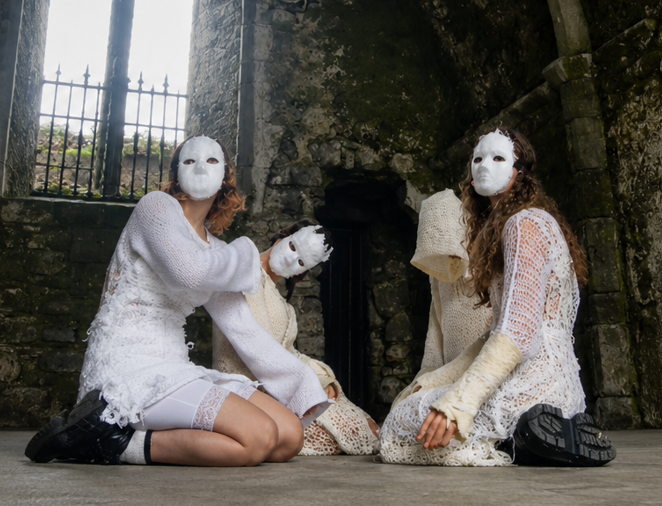
Let’s forget, just for a second, the boring speeches, half-empty halls, and cultural elitism. No pretending, no empty buzzwords — just young people who genuinely have the energy and drive to make something happen. A gathering of creatives from across the region and Europe, connected through performance, theatre, dance, music, film — and, honestly, a little bit of creative chaos too
Seriously, how many times have you rolled your eyes at yet another news story about an exhibition or a theatre premiere because it all feels like something made for closed-off elite circles? You know the type: dramatic opening speeches, oversized words, always the same people sitting in the front row.
Or when you’re told tickets for a show are “sold out”, only to discover later that half the audience never even showed up because most of the tickets were handed out to people who didn’t really care in the first place?
Now look — this is not about being cynical. But when someone, especially a young person, says the word “art” makes them cringe because they associate it with something formal, inaccessible, and disconnected from real life… well, honestly, they kind of have a point.
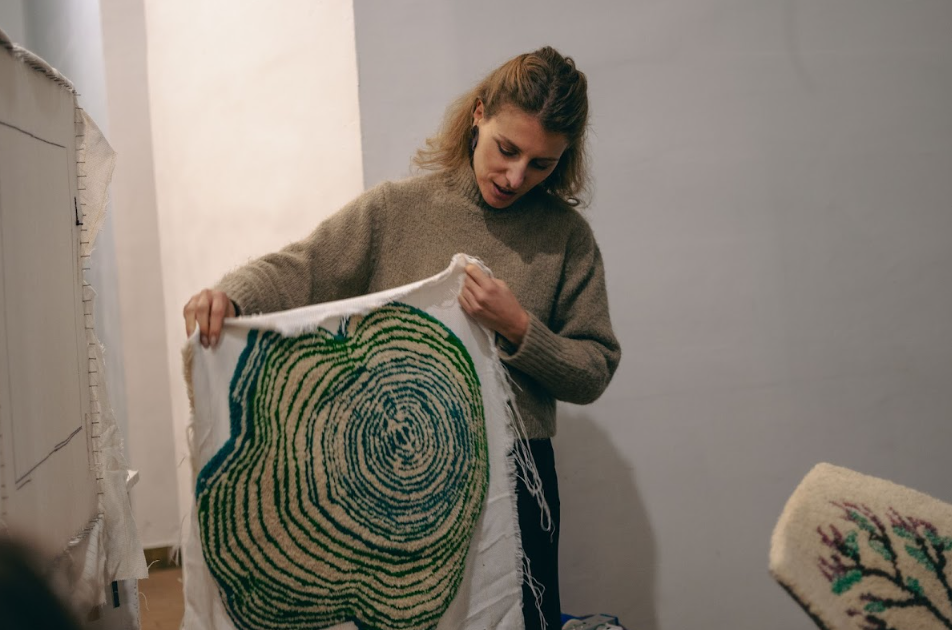
Because art really can be an incredible tool for social change. It can leave galleries and theatres behind and actually come down among people. It can be fun, unpredictable, relatable — and genuine. No matter your age. Especially if you’re young and creative. And especially if the word “creativity” doesn’t feel like some abstract thing measured by grades in a classroom, but something you actually live and breathe in your street, your neighbourhood, your city.
And that’s where the PIROUETTE programme comes in. Actually, forget the word “programme” for a moment too — everyone’s exhausted by projects and programmes these days. Think of it more as an international initiative that connects young people, artists, and youth organisations to prove that everything we’ve just talked about really is possible.
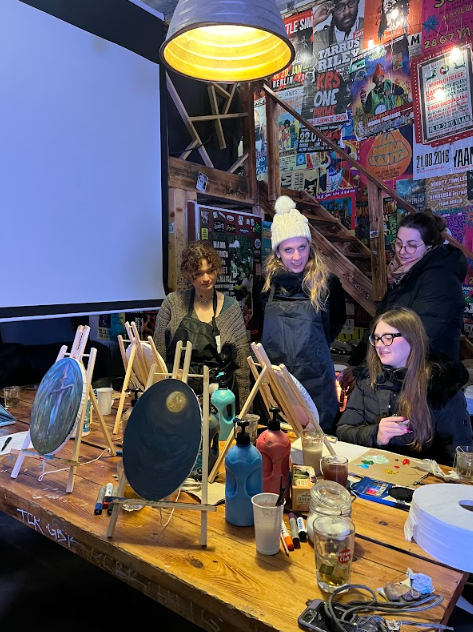
The idea is simple: bring together participants from different countries — both from the European Union and from Balkan countries still outside the EU — through exchanges, performances, workshops, training sessions, and collaborative creative work.
One of PIROUETTE’s key messages is that creativity is not just about “making art.” It’s about encouraging people to speak up about the things that directly affect their everyday lives — in their generation, their families, their communities, their cities. Through dance, theatre, movement, music, film, performance, and other creative forms, participants connect with each other while exploring themes like identity, youth mental health, discrimination, inequality, ecology, belonging, and social change.
In other words: all the things that matter to young people today.
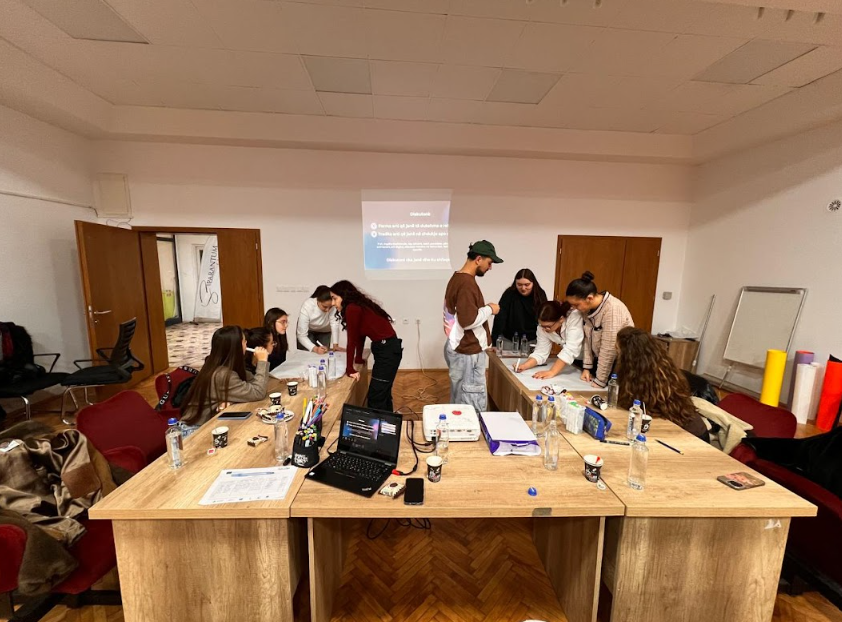
And yes, people are also tired of hearing about workshops, educational programmes, and “capacity building.” That’s exactly why PIROUETTE feels different from most traditional youth projects.
First of all, the atmosphere is completely different. Young people aren’t sitting quietly while someone lectures them about what they should think. Not even close.
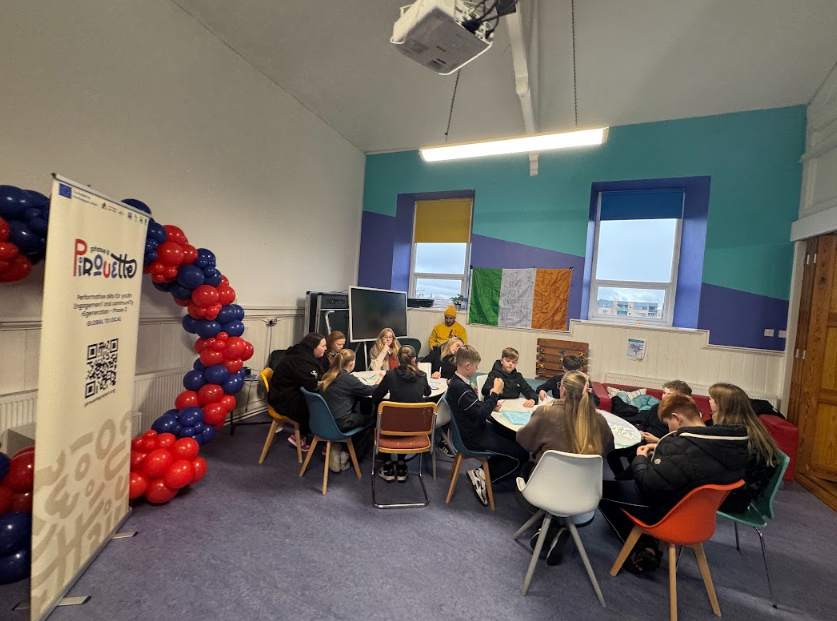
This comes directly from the experience of one of PIROUETTE’s previous phases in Dublin last year: dozens of young people from different countries, backgrounds, and artistic experiences coming together and somehow finding a common language through creativity. Through shared work, they build trust, confidence, friendships, and experiences that stay with them long after the programme ends.
One especially important part of the PIROUETTE story is its focus on young artists who often remain invisible within mainstream cultural scenes. For countless reasons, many talented young people never get the opportunity to say what matters to them or show what they are capable of.
And this is where something genuinely powerful happens.
Within these collaborations, you quickly realise that every voice and every creative contribution matters equally. Everyone deserves visibility, space, and recognition. It sounds idealistic on paper — but after just a few days spent in that environment, you realise it’s actually possible.
The first PIROUETTE cycle was completed during 2022 and 2023. The formula was clear: connect young people, empower them, encourage them to take initiative in their own communities, and create a sense that they are part of something bigger than themselves.
That’s why it’s no surprise that PIROUETTE has already built a strong regional network of artists, youth organisations, and youth workers. And honestly, don’t be surprised if you recognise some familiar faces among the participants — young actors from Montenegro already making names for themselves in theatre, hip-hop artists, painters, filmmakers, and other creatives you’ve probably already noticed in your own city.
That’s also the moment when PIROUETTE stops feeling like “just another EU project.” Instead, it starts feeling like something far more valuable: a community of young people trying to create something meaningful for themselves and for the society around them.
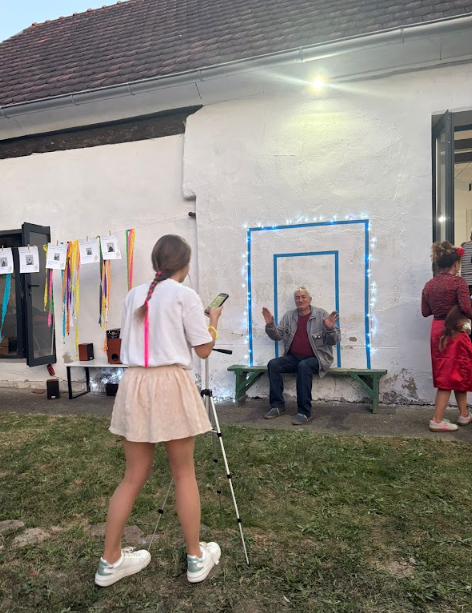
Because, in the end, that’s what art really is. Nothing more and nothing less.
Especially when people talk about “performing arts.”
PIROUETTE entered its second phase around January last year under the slogan “Global to Local.” The initiative grew out of organisations that have been working with young people through culture for years — including the Mostar-based organisation LDA, which coordinates much of the partnership network and activities.
Over time, organisations from Montenegro, Bosnia and Herzegovina, Serbia, Germany, Kosovo, and Ireland became involved, alongside various cultural and educational organisations from across the region and the EU.
Activities have already taken place in Mostar, Nikšić, Dublin, and Pristina, with Berlin planned as the next major gathering point.
And one thing remains constant throughout the entire project: the focus on young creatives who have had fewer opportunities to be seen and heard. Artists who often remain outside mainstream cultural spaces. PIROUETTE brings together art, youth work, and activism into one shared space.
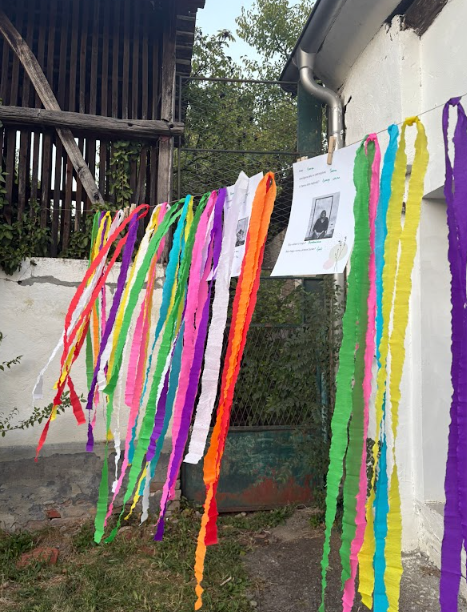
Maybe the best thing about all of this is that PIROUETTE is not just a temporary project — it’s a platform for long-term collaboration, experimentation, and connection between young people across the region and Europe.
And at the centre of everything is one simple idea: theatre, dance, music, performance, visual expression, and other forms of creative work can become much more than “cultural content” filling up event calendars or news segments.
They can become tools for bringing people together, opening important conversations, and involving young people directly in their communities.
Once you experience it, you start to understand that young people are not — and should never be — passive observers of social processes. They can genuinely become drivers of change.
Through creative work, international exchanges, and collaborative artistic actions, PIROUETTE aims to develop a sense of global citizenship, empathy, and responsibility toward both local communities and one another.
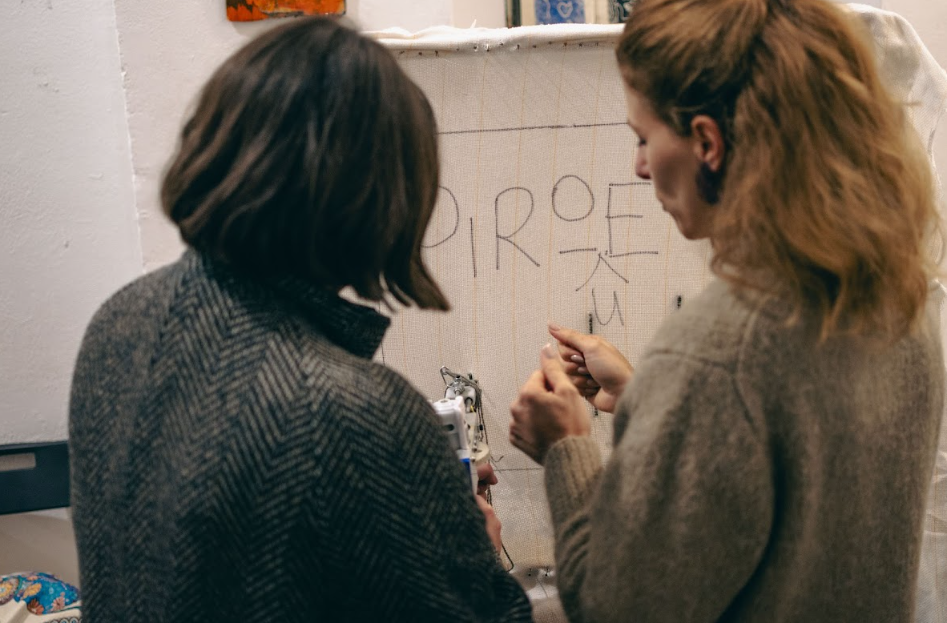
The project is also deeply rooted in non-formal education methods. Which basically means: less sitting through lectures and theory-heavy presentations, and far more practical work, interaction, collaboration, and learning through experience.
That’s why workshops, performances, group work, and international travel are such an important part of the process. Participants develop communication skills, teamwork, event organisation abilities, public speaking confidence, and new ways of creative expression.
And honestly? It works.
What’s particularly interesting is how the project connects huge global topics with local everyday realities. Climate change, migration, discrimination, cultural identity, gender equality, post-conflict societies, and social inequality are not presented as abstract problems happening “somewhere else.”
They are discussed as issues that directly affect the daily lives of young people everywhere — whether in Nikšić, Mostar, Belgrade, Peja, or Dublin.
And perhaps the biggest surprise of all is realising how similar young people’s experiences actually are, regardless of geography. Young people in the suburbs of wealthy Dublin often face many of the same struggles, frustrations, hopes, and insecurities as young people across the Balkans.
That matters even more in societies like ours.
In countries such as Germany, civic education and youth participation strategies have been developing for decades. Here in the region, these conversations are still only beginning. Many people barely even know what civic education really means.
That’s why initiatives like PIROUETTE can help fill important gaps — through connection, travel, shared experiences, collaboration, and creativity.
Learning while actually enjoying the process.
And every participating country brings its own specific challenges into the conversation.
For participants from Bosnia and Herzegovina, key issues include educational system problems, social divisions, and the need for greater youth involvement in reconciliation and community development.
Young people from Kosovo emphasise the importance of art as a space for healing and social regeneration in a post-conflict society.
Participants from Serbia often point to the lack of creativity within formal education systems.
And the Montenegrin team highlighted the relatively low level of awareness around global education — despite ongoing discussions about European integration and educational reform.
This second PIROUETTE cycle lasts for two years, and its major finale will take place through a youth exchange in Berlin. Participants from all partner countries will collaboratively create a final artistic work or performance focused on a shared global social issue.
And honestly, you’ll probably be hearing much more about all of this very soon.
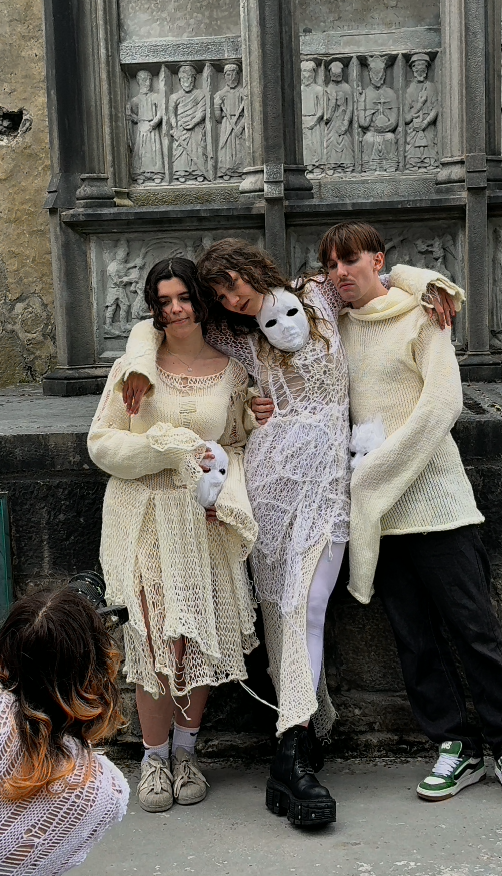
Until then — maybe the photos from previous PIROUETTE gatherings are already enough to make you stop scrolling for a moment and pay attention to the story behind them.